
My Siblings Won't Help: How to Navigate Family Conflict During a Parent's Illness
How to Navigate Family Conflict During a Parent’s Illness
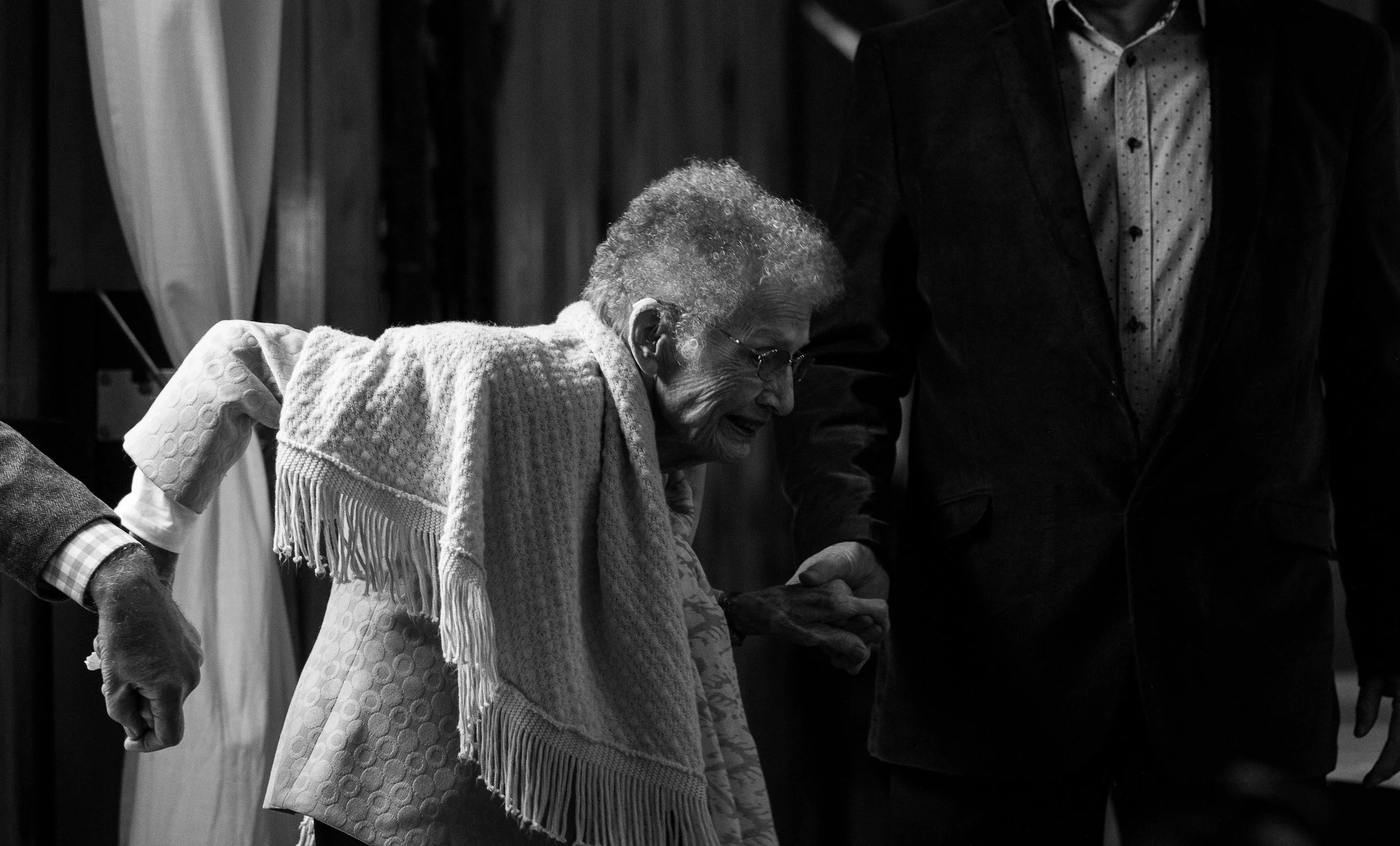
If you are caring for an aging parent and thinking, “Why am I the only one doing everything?” you are not alone.
Family conflict is one of the most painful and exhausting parts of caregiving. I have personal experience with this.
It often hurts more than the medical issues themselves, because it involves people you expect to understand and support you.
Many caregivers quietly carry resentment, anger, and guilt while trying to hold everything together.
This article is for you.
Why Family Conflict Intensifies During Medical Crises
Illness has a way of exposing long-standing family dynamics.
Old roles resurface.
Unresolved resentments reappear.
Different coping styles clash under stress.
Some siblings respond by taking control. Others step back. Some deny the severity of the situation. Others panic and want to act immediately. None of this means your family is broken. It means you are under pressure.
Medical crises also force decisions that families may never have had to make before. Decisions about money, living arrangements, safety, and end-of-life care. When emotions are high and information feels unclear, conflict often fills the gap.
The Most Common Sibling Disagreements
While every family is different, the same issues come up again and again.
Who does what
One sibling becomes the default caregiver while others remain less involved, either due to distance, work, denial, or avoidance. Resentment builds quickly.
Money and finances
Disagreements about paying for care, managing assets, or reimbursing expenses can become deeply emotional and personal.
Care decisions
Assisted living versus staying at home. Medical interventions versus comfort care. What feels like a medical choice to one sibling may feel like a moral decision to another.
Trust and control
Some siblings question decisions without offering help. Others feel excluded or unheard. This erodes trust on all sides.
These conflicts rarely mean siblings do not care. They usually mean people are overwhelmed and reacting from fear.

When emotions are high, it can be almost impossible for siblings to hear each other clearly.
How Unresolved Conflict Harms the Person Receiving Care
Family conflict does not stay contained between siblings. It affects the care receiver as well.
When families are fighting:
Decisions are delayed
Care plans become inconsistent
Stress levels rise for everyone
Important details get missed
Older adults and people with dementia are especially sensitive to tension. Even when they cannot articulate it, they often feel it. A fractured family environment can increase anxiety, agitation, and confusion.
Resolving conflict is not just about family harmony. It is about better care.
The Role of an Objective Third Party
When emotions are high, it can be almost impossible for siblings to hear each other clearly.
This is where an objective third party can change everything.
A professional advocate or mediator does not take sides. They bring structure, clarity, and clinical perspective to conversations that have become emotionally charged. They help shift discussions from “who is right” to “what does our parent actually need.”
Often, families are relieved to have someone say things they cannot say to each other without damage.
How to Have a Productive Family Meeting
If your family is open to it, a structured meeting can be a powerful first step.
Some guidelines that help:
Set a clear purpose for the meeting
Focus on the parent’s needs, not past grievances
Keep discussions fact-based where possible
Assign roles based on strengths, not fairness
Document decisions so everyone leaves aligned
Unstructured conversations often turn into arguments. Structure creates safety.
Creating a Care Agreement Everyone Can Sign
A Care Agreement is a simple but powerful tool.
It outlines:
Who is responsible for which tasks
How decisions will be made
How information will be shared
What happens when circumstances change
This is not about control. It is about clarity. When expectations are written down, resentment often decreases and accountability improves.
When It Is Time to Bring in a Professional Mediator

I work with families to bring clarity, structure, and shared understanding to care decisions so no one person is left carrying everything.
If conversations keep ending in conflict, silence, or hurt feelings, it may be time for outside help.
Signs this could help include:
Siblings no longer speaking
Decisions constantly being revisited
One person feeling completely alone in caregiving
Emotional reactions outweighing facts
Care being delayed due to disagreement
Bringing in a professional is not a failure. It is often the most loving choice for both the family and the parent.
A Real Story: From Silence to Teamwork
One family I worked with had not spoken civilly in months. One daughter was doing nearly everything. Her brother disagreed with her decisions but offered little support. Every conversation turned into an argument.
By bringing everyone into a structured conversation with clear information and defined roles, the tension slowly eased. Responsibilities were redistributed. Expectations were clarified. Most importantly, decisions stopped feeling personal.
They did not become perfect. But they became a team again. And their parent’s care improved because of it.
You Are Not Wrong for Wanting Help
Family conflict during caregiving is incredibly common. It does not mean you are difficult. It does not mean your family is broken.
It means the situation is bigger than any one person.
You are allowed to want support.
You are allowed to protect your energy.
You are allowed to want peace instead of constant conflict.
If sibling conflict is making caregiving harder than it needs to be, it may help to have a calm, objective voice in the room.
I work with families to bring clarity, structure, and shared understanding to care decisions so no one person is left carrying everything.
You can schedule a consultation to talk through what support might look like for your family.
Need help navigating a similar situation? Book a Strategy Session today…
Common Questions Families Ask
Is it normal for siblings to fight over a parent’s care?
Yes. Stress, fear, and unresolved family dynamics often surface during illness.
What if one sibling refuses to participate?
Even partial participation can help. Sometimes clarity encourages engagement over time.
Do we need legal involvement to create a care agreement?
Not always. Many families benefit from a practical, non-legal agreement focused on care roles and communication.
Can mediation help even if relationships are very strained?
Often, yes. A neutral third party can reduce defensiveness and refocus conversations on care needs.